Newsletter Subscribe
Enter your email address below and subscribe to our newsletter

 BySonu
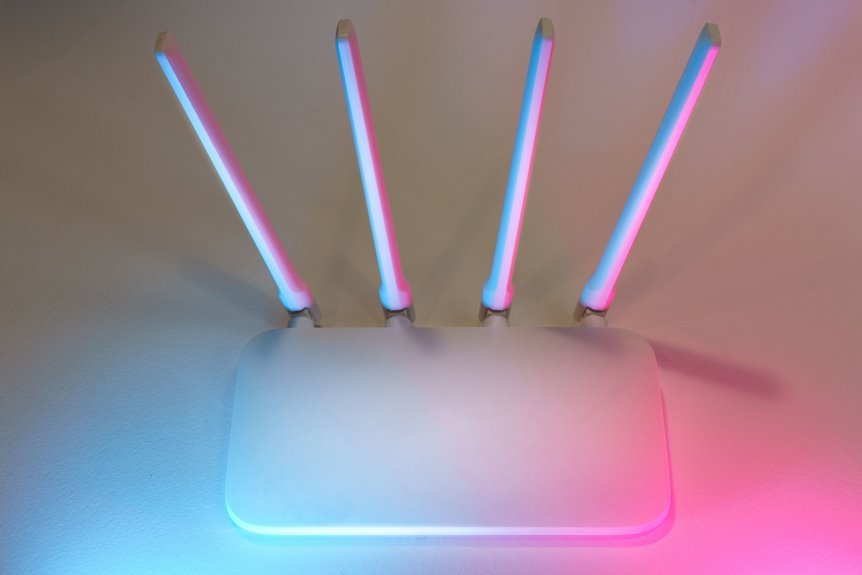
Locating a router’s IP and reaching the login page is a routine task with practical steps. The process hinges on identifying the device’s address from the label or manual and using a secure browser connection. Once access is gained, strong credentials and updated firmware protect the network. If problems arise, a methodical approach keeps control within reach, yet small details can delay progress. The next steps clarify how to confirm settings and recover connectivity efficiently.
The 168.178.31 router login is the entry point for configuring a consumer network device. It anchors control, enabling access to settings that tailor performance and security. A clear understanding reduces dependency and enhances autonomy.
Efficient use hinges on a straightforward 168.178.31 discussion and a reliable router login process, guiding users toward confident, self-directed network management.
To begin, users locate the router’s IP address by checking the device label, consulting the manual, or using a computer to reveal the gateway.
Once found, open a web browser and enter the address to access the login page.
Navigate to security settings, consider disabling remote access, and note prompts for updating firmware before proceeding with credentials.
Entering credentials securely begins by ensuring the connection is private and the browser shows a secure site (https) with a valid certificate.
The procedure emphasizes using a unique, strong password, avoiding shared credentials, and enabling two-factor authentication where available.
After login, apply security best practices, disable WAN admin access by default, and preserve device privacy through minimal, informed default settings.
Quick fixes and troubleshooting aim to restore online access promptly by confirming basic connectivity, patching common misconfigurations, and guiding users through a concise recovery sequence.
The approach favors autonomy with clear steps: verify router status, test devices, reboot if needed, check cables, and apply firmware updates. Maintain network security awareness while implementing firmware updates to preserve a resilient connection and freedom.
Yes, it is possible to change the router’s IP address safely. This involves selecting a non-conflicting local IP, updating the DHCP range accordingly, and rebooting. This supports changing default gateway and securing admin interface for freedom and safety.
Firmware updates should be frequent but measured; a monthly cadence is prudent for home routers, balancing effort and risk. This updating cadence mitigates security implications while maintaining performance and reliability for users seeking freedom and control.
If the admin password is forgotten, use the reset procedure to regain access, then change ip address, update firmware, and review backup settings; consider enabling guest network and preserving settings before any firmware updates.
Yes, a guest network restriction option exists. It allows segregating devices from the main network. Implement a strict password policy for the guest network, restrict access duration, and enable client isolation to enhance security and freedom of use.
Disarm doubts: yes, one can backup configuration and restore process. A detachable file captures settings; restore uses that file. This empowers users seeking freedom. The procedure is clear, concise, and repeatable for secure, confident router management.
In a quiet room, the router sits as gatekeeper and risk. Access the login page like a doorway you alone control, then cloak it with strong, private protections. Yet the world beyond hums with signals, inviting tinkering. Juxtapose vigilance with ease: secure, update, and disable remote access, but remain ready to reboot and reconnect. The result is steady lifelines of connectivity, where safety and simplicity stand side by side, empowering confident, uninterrupted online access.