Newsletter Subscribe
Enter your email address below and subscribe to our newsletter

 BySonu
Understanding 192.168.1.1 login processes requires a precise, methodical approach. The guide outlines common issues, quick fixes, and a structured troubleshooting flow to verify connectivity, update firmware, and reset credentials if permitted. It emphasizes cautious, documented practice and ongoing maintenance to protect access control and configuration integrity. The discussion ends with a clear, actionable path, but specific steps and logs will determine the next move. Attention to detail is essential to proceed effectively.
192.168.1.1 is a private IPv4 address commonly assigned as the default gateway for many home networking devices, serving as the access point through which a router’s management interface is reached.
The explanation remains precise: it enables local device communication, routes traffic, and defines network borders. Understanding broad network basics clarifies router address roles and reinforces disciplined, freedom-preserving network autonomy.
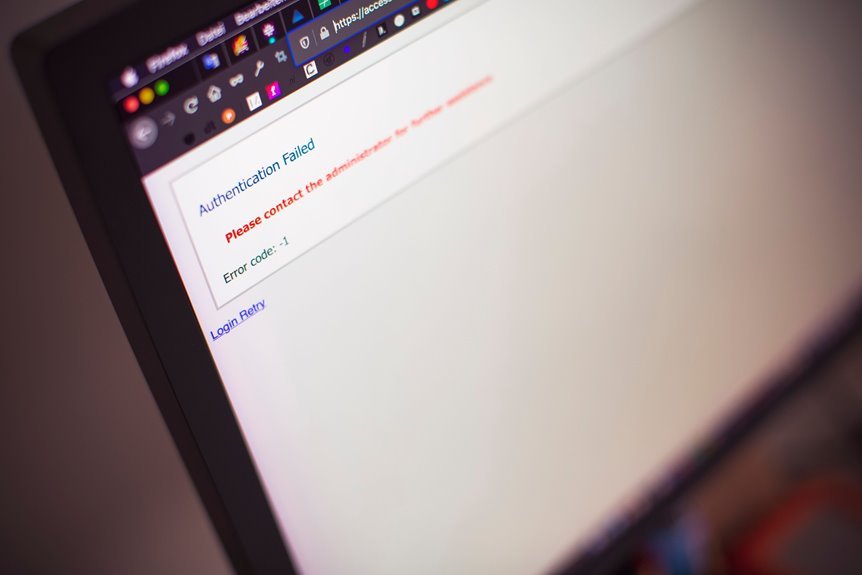
Many users encounter login problems when accessing the router’s management interface, and a systematic approach helps resolve them quickly. This analysis remains precise and defensive, focusing on practical, liberty-respecting strategies. Typical obstacles include connection issues and variations in router compatibility; confirming device compatibility, firmware currency, and network stability reduces risk. Implement standardized checks, avoiding assumptions to safeguard autonomous network control.
A clear, methodical sequence is presented to diagnose login issues to the router’s management interface. The flow emphasizes precise steps: verify address, test connectivity, reset credentials if allowed, and cross-check conflicting credentials. If access remains blocked, inspect the router firewall rules, confirm port exposure, and apply cautious, documented retries. This framework preserves user autonomy while safeguarding configuration integrity.
To establish a secure context for router management, the guide outlines disciplined setup practices and ongoing maintenance routines. It emphasizes security hygiene through disciplined credential handling, segmented access, and regular audits. Proactive firmware updates are mandated, with verifiable rollbacks and change logs. Procedures minimize exposure, document configurations, and enforce routine review, enabling deliberate, freedom-loving administrators to sustain resilient, transparent network health.
The user can change a router’s default IP address. They should carefully document steps, prepare to update firmware if required, and secure the device after changing the address. Also consider changing password and updating firmware for ongoing protection.
A cautious reader notes that a forgotten admin password can be recovered via the router’s reset procedure, though firmware update cadence and security risk assessment must follow; the process remains precise, methodical, and oriented toward freedom-focused users.
Is 192.168.1.1 the only login gateway? No; other local IPs can serve as administrative access depending on device, firmware, and network. Discussion idea1 two word, discussion idea2 two word; uses a precise, defensive, freedom-oriented tone.
The issue is addressed methodically: blocked wifi access from mac filtering can be mitigated through mac filtering workarounds, router default IP diversity, and a firmware update cadence, while maintaining admin password recovery tips, and respecting user autonomy.
Update cadence should be monthly or when security advisories warrant; delaying risks vulnerabilities. The approach prioritizes firmware security, with cautious, methodical updates. The policy defends user autonomy, balancing risk assessment and timely installation to preserve freedom and control.
Conclusion (75 words):
The 192.168.1.1 login process is straightforward when approached methodically, with verified address, active connectivity, and current firmware. This guide anticipates objections about complexity or time, and counters them: the procedure is repeatable, minimally disruptive, and well-documented. By adhering to standardized checks, firmware updates, and change logs, users maintain secure, reliable access to router configuration. A disciplined routine—log, test, update, audit—preempts errors and reinforces ongoing, proactive network governance.