Newsletter Subscribe
Enter your email address below and subscribe to our newsletter

 BySonu
The 168.0.30 Router Login Guide outlines the process of locating the default IP and admin credentials, then accessing the admin interface to perform initial setup. It emphasizes establishing a secure baseline, with steps for enabling modern wireless standards, updating firmware, and configuring access controls. The guide also covers practical details for connecting a device to the network and initiating configuration. For full security and optimization recommendations, proceed with the configured steps and consider how each setting impacts future access and management.
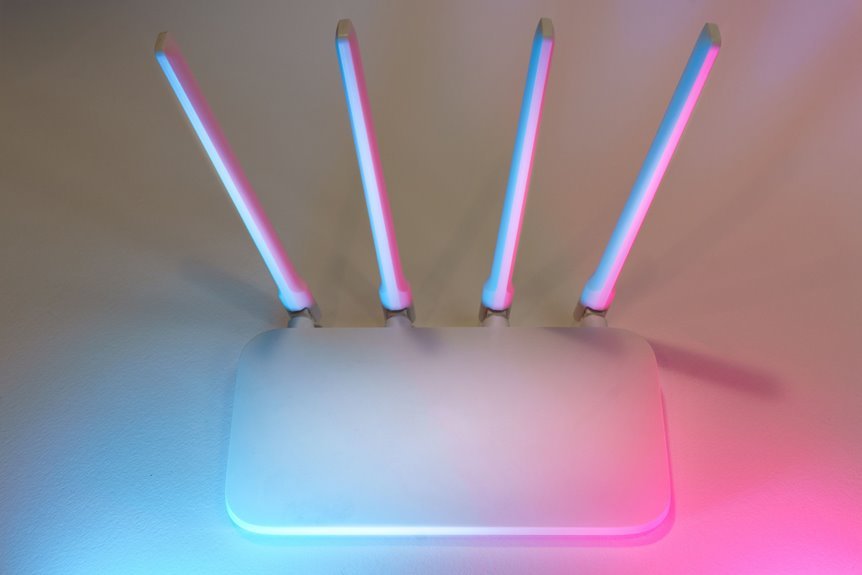
The 168.0.30 router is a local network device that manages internet access, routing traffic between connected devices and the wider web. It functions as a point of control for network resources, emphasizing reliability and autonomy.
In discussing router hardware and exploring web interfaces, the device reveals configuration options, security settings, and diagnostic tools without unnecessary complexity or delay.
To locate the default IP address and admin credentials for the 168.0.30 router, begin with a concise, methodical approach: identify the device’s access point commonly labeled on the router’s case or documentation, then verify the default gateway address via connected devices.
The default username appears with the router login, and security tips plus parental controls follow standard defaults.
After identifying the default access point and credentials, proceed to log into the 168.0.30 router by connecting a computer or mobile device to the router’s network, opening a web browser, and entering the discovered IP address to reach the login page. The procedure documents First topic and second topic, then continues with initial setup steps, ensuring a secure, configurable baseline.
A prudent approach is to immediately configure core security, Wi‑Fi, and parental controls once access to the router is established.
Implement robust security considerations, enable encryption (WPA3 preferred), disable WPS, and set a strong admin password.
Schedule timely firmware updates, monitor connected devices, and configure content filters and time limits for responsible, freedom‑oriented network management.
No internet after login requires router troubleshooting: check default DNS changes, update firmware manually, review parental controls on guest networks, and verify mobile management app settings; if unresolved, perform a factory reset and reconfigure carefully.
Yes, it is possible to change DNS on the router. The process involves accessing the admin interface, navigating to DNS or WAN settings, and applying new server addresses. This enhances router security and supports flexible, freedom-oriented network control.
Parental controls on guest networks vary by router, but often include time limits and content filters with limited app visibility. They rely on firmware updates and may require mobile app management to configure, ensuring freedom within safe, controlled network access.
To update firmware manually: perform a firmware backup first, then follow precise manual update steps. The process requires downloading the correct file from the manufacturer, verifying integrity, and applying it via the router’s administration interface without relying on automatic updates.
Ironically, there is no dedicated mobile app for full management; rumors persist. The device supports basic control via a web interface. Expect mobile app issues, while acknowledging firmware update steps remain similar, requiring router login and manual steps.
The guide demonstrates that accessing the 168.0.30 router is straightforward, enabling immediate, targeted configuration. By logging in and applying recommended defaults—strong admin password, WPA3, disabled WPS, timely firmware updates, and basic content controls—administrators establish a robust security baseline. A properly secured network behaves like a fortress, unbreachable by ordinary devices. In practice, this disciplined setup prevents gaps, ensures reliability, and supports scalable management as devices and needs evolve.