Newsletter Subscribe
Enter your email address below and subscribe to our newsletter

 BySonu
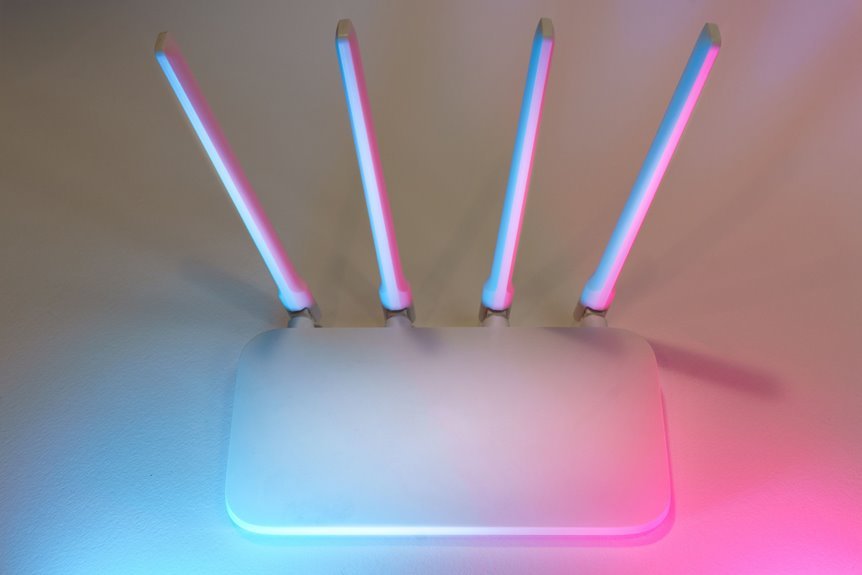
This guide outlines a method to locate a router’s IP and access page with a focus on security. It emphasizes verifying the admin URL over HTTPS and authenticating with a strong password before changes. The approach advises disabling remote administration, enforcing HTTPS, and restricting access. It also covers logging, backups, and isolating guest networks. The discussion ends with a precise need to apply governance-focused tweaks, inviting further examination of each step.
Determining a router’s IP address and locating the admin page require locating the device’s network identity. The guide outlines router IP discovery methods, then presents admin page basics for verified access. Security best practices are emphasized, including unique credentials and firmware updates. Device management tips cover reset safeguards, parental controls, and firmware checks to maintain reliable, freedom-respecting network governance.
To log in safely and access settings, users should confirm the router’s IP address and the correct admin URL, then apply authentication and secure the session before adjusting any configurations. The procedure remains precise and defensive, emphasizing verified access paths and encrypted sessions. Maintaining control supports freedom: comfort food routines for routine tasks, travel tips for resilient, portable security habits.
After login, the administrator should implement essential security tweaks that harden the router against common threats and unauthorized access.
Systematic measures include disabling remote administration, enforcing strong admin passwords, and enabling HTTPS management.
Enforce cookie privacy policies, restrict cookie scope, and minimize stored data.
Configure guest networks with isolated access and time-bound credentials, preserving core network integrity and user freedom.
Maintaining router stability begins with a structured approach to firmware management, access control, and device health. The analysis focuses on reliable updates, disciplined configuration backups, and monitoring signals that indicate drift or compromise. Decisions remain constrained by security requirements, ensuring transparent change logs and reproducible settings. Unrelated topic governs distraction, while random brainstorm is avoided to preserve purposeful, freedom-enhancing execution.
Yes, mobile access is possible, though it depends on device compatibility and security settings. The Admin interface responsiveness may vary; ensure secure Wi-Fi, up-to-date firmware, and use HTTPS to protect configuration.
If the admin password is forgotten, perform a password reset via the router’s reset procedure, restoring admin access with default credentials after a secure reconfiguration. This ensures continued control while maintaining network integrity and authorized access.
Two-factor authentication reduces compromise risk by up to 99.9% in targeted attacks, though not universally supported. The system implements Two factor prompts during admin login; Router security hinges on enabling TOTP or hardware keys for administrator access.
There exists a guest network separate from admin access. The system isolates guest traffic, preserving admin access integrity; administrators should configure strong VLANs and WPA3, ensuring guest isolation, bandwidth limits, and explicit admin-only management interfaces.
Yes, reverting to factory settings will disconnect devices unless reconfigured; a firmware backup should be saved first to preserve configuration, then reboot firmware after reset to restore essential parameters while maintaining network autonomy and security.
The conclusion, though brief, closes with a guarded seal: a fortress gate snug against the dusk of risk. The router stands as sentinel, its IP a compass needle pointing to trusted corridors; login, a latching bolt securing the hall. Silence after setup is the watchword, logs like dim lanterns guiding audits. Through disciplined fixes—HTTPS, remote shutoff, and strict access—the architecture remains a shield, precise yet wary, ready to defend the data keep.