Newsletter Subscribe
Enter your email address below and subscribe to our newsletter

 BySonu
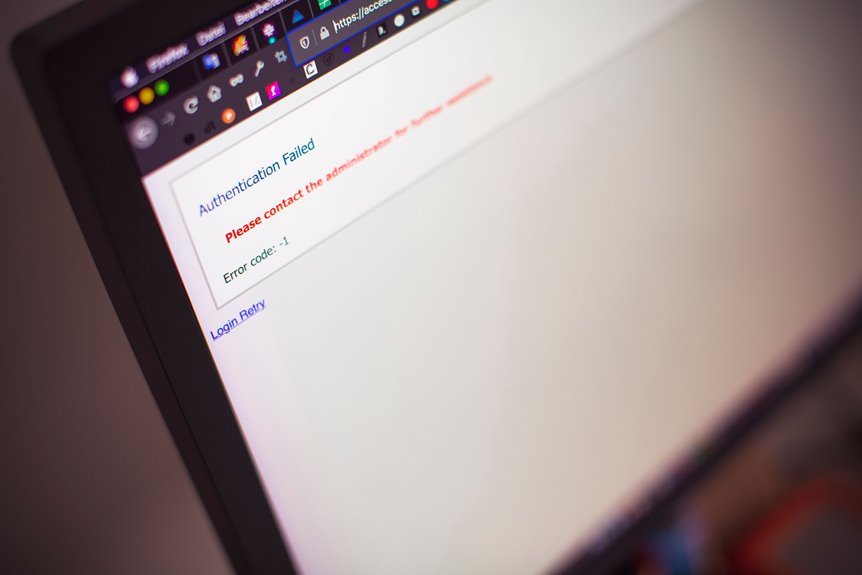
The lp192.168.8.1 login error involves access issues to a local router or device at 192.168.8.1. Causes include IP/subnet mismatches, overlapping devices, DHCP scope problems, and firmware changes that affect login behavior. Quick checks verify the IP, gateway, DNS, and reachability from the management workstation. Step-by-step fixes focus on credential validation, targeted firmware updates, and controlled resets. A careful approach is required, as small configuration mismatches can recur if the underlying network context isn’t fully understood.
Possible causes include incorrect IP addressing, conflicting network devices, and device-specific authentication requirements. The LP192.168.8.1 login error often stems from subnet mismatches, DHCP scope issues, or duplicate IPs, requiring methodical network troubleshooting.
Router firmware inconsistencies may also impede access; updates or rollbacks can shift login behavior. Clear configuration review minimizes latency and preserves secure, autonomous device management.
To confirm the network setup, practitioners should perform a targeted sequence of checks: verify device IP configuration, confirm gateway and DNS settings, and ensure the LP192.168.8.1 interface is reachable from a management workstation.
Short range interference and device compatibility considerations are evaluated to ensure stable connectivity, avoiding misconfigurations that hinder access and maintain freedom in deployment.
When access issues are detected after confirming network readiness, the following step-by-step fixes provide a structured workflow to restore connectivity.
The guide emphasizes predictable actions: verify device identity, perform a targeted firmware update, monitor for stability, and align settings with the current billing cycle.
If issues persist, initiate a controlled reset and reauthenticate, ensuring firmware integrity and user autonomy.
This section outlines concrete measures to secure and prevent the login error from recurring.
Network segmentation isolates devices, reducing exposure; implement strong admin credentials and disable remote WAN access.
Regularly apply firmware updates to the router, monitor for vulnerabilities, and enable automatic security alerts.
Document privacy concerns, audit connected devices, and enforce least privilege to minimize risk and preserve user freedom.
Yes, the router’s default IP can be changed to enhance security and customize access; to do so, access the admin interface, locate network settings, and apply a new IP. This secures /change default ip and supports router login security.
Ironically, ISP provisioning does not erase access to lp192.168.8.1; it can influence router login basics via configuration locks. The viewer notes that ISP provisioning and login settings interact, controlling defaults, but not preventing eventual local access when needed.
Login barriers arise from certain browser quirks and admin settings that restrict network access to 192.168.8.1; user should adjust privacy, caching, and security, while ensuring router credentials remain accessible amid open, freedom-seeking browser configurations.
Yes, MAC address filtering can block router admin access; devices with unlisted MACs are denied. However, trusted MACs may still reach admin interfaces after firmware updates or configuration changes, so security relies on proper firmware updates and access controls.
The router offers mobile app login alternatives and direct access via default IP 192.168.8.1; browser settings may be required. Access can be influenced by MAC filtering, with admin access contingent on configured login credentials.
The article concludes that lp192.168.8.1 login errors arise from network misconfigurations, firmware quirks, or credential issues, and are resolvable through systematic verification of IP/subnet, gateway/DNS reachability, and controlled device resets. A real-world example: a small office faced repeated login failures due to an overlapping DHCP scope; after narrowing the scope, assigning a fixed IP for the router and updating firmware, access was restored and stability improved. Proactive checks and documented change controls prevent recurrence.