Newsletter Subscribe
Enter your email address below and subscribe to our newsletter

 BySonu
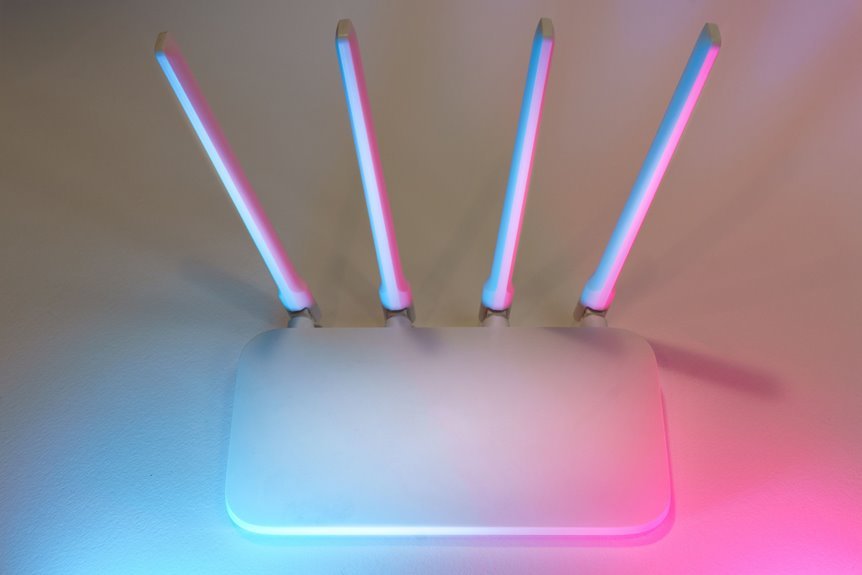
Identifying the 168.220.1 router and its access point is the first step. The user should locate the device, confirm its network name and IP address, then open a browser to reach the login page. Authentication must be strong and unique. Security should be tightened with WPA3 or WPA2, WPS disabled, and a guest network considered. Regular firmware updates, backups, and clear access rules help prevent downtime, but a misstep can still expose vulnerabilities unless proper procedures are followed.
To identify the 168.220.1 router and access point, locate the device and verify its network name and IP address on connected hardware. The process emphasizes independence: catalog visible labels, confirm model specifics, and note firmware quirks that may affect settings.
Identify firmware quirks, detect IP conflicts, and document any irregularities for accurate, frictionless configuration.
Access to the admin portal follows identifying the device; after locating the router, the user opens a web browser and directs attention to the router’s IP address or default gateway. The login page appears, and credentials are entered to authenticate. A successful sign-in grants access. two word discussion idea 1, two word discussion idea 2.
Strengthening router security begins with strong authentication and controlled access. A clear policy mandates strong password strength, unique credentials, and regular updates to prevent unauthorized entry.
Enable WPA3/WPA2 mix where available, disable WPS, and apply guest network setup to isolate visitors from the main network. Documented access rules and login attempts help monitor and deter intrusion.
Keeping a router up to date and reliable requires regular firmware updates, thoughtful backups, and a focused approach to common troubleshooting. The guidance emphasizes firmware updates and backups as routine practices, minimizing downtime and preserving settings. It also notes security hardening and guest network configurations as essential considerations. Practical steps enable consistent performance without compromising user freedom and control.
Yes, it is possible to access the router admin from a mobile device. The process supports mobile access and multilingual support, enabling a flexible setup. It provides clear steps for users seeking freedom in configuring network settings.
Typically, pressing the Reset button restores factory settings; about 60% of users regain access this way. Then perform a Firmware update to secure the device, reconfigure essential settings, and create new credentials for ongoing freedom.
Disabling remote management is possible; the device should stop accepting external connections. Disable ping on WAN and close open ports to reduce exposure, then monitor for any unusual activity. This choice supports a freer, more secure network stance.
“Like dawn breaking,” the article states: default username and password vary by model; no universal set exists. Use official docs, avoid default credentials, and consider changing immediately. It notes default password proposals and router firmware debates in guidance.
Viewing connected devices and bandwidth usage requires logging into the router’s interface, then navigate to status or statistics. For mobile access, enable remote management; note default credentials may exist, and consider factory reset if access is compromised.
Conclusion (75 words):
In conclusion, securing the 168.220.1 router starts with precise identification, careful login, and disciplined maintenance. Each step—verifying the device, authenticating, and configuring strong credentials—reduces risk. Enabling WPA3/WPA2, enabling a guest network, and disabling WPS isolates visitors and protects core devices. Regular firmware updates, backups, and straightforward troubleshooting keep operation reliable. Remember: slow and steady wins the race; security is an ongoing habit, not a one-time configuration.