Newsletter Subscribe
Enter your email address below and subscribe to our newsletter

 BySonu
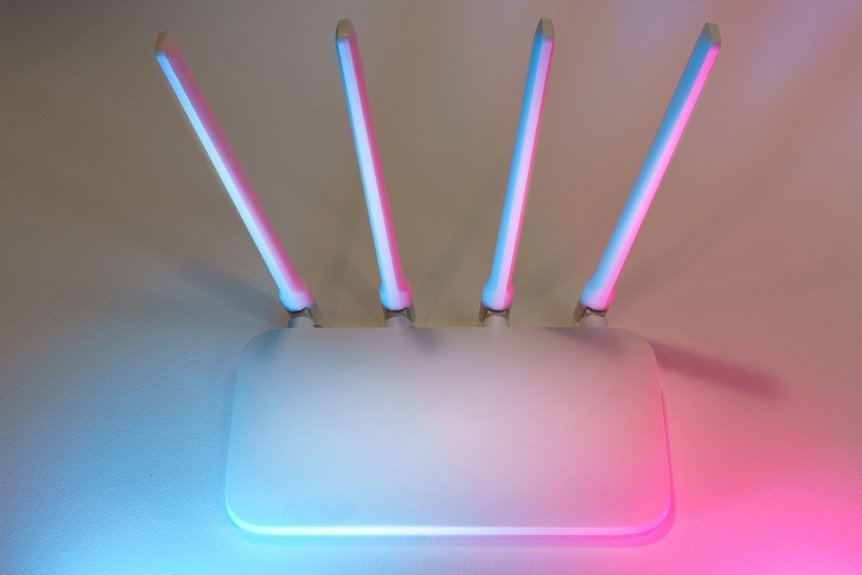
Access to the 168.177.1 router login page begins with a wired or secure wireless connection to a local device, followed by entering http://168.177.1 in the browser address bar. The guide outlines locating the device, applying default or model-specific credentials, and verifying hardware details before making changes. After login, emphasis falls on securing admin access, updating firmware, and disabling unnecessary remote features, with clear steps to troubleshoot failures if access is blocked. The next steps require careful validation of credentials and network configuration.
To locate the 168.177.1 router login page, the user should connect a computer or device to the router via Ethernet or a secure Wi-Fi network, then open a web browser and enter http://168.177.1 in the address bar.
This procedure supports finding ip address efficiently while verifying hardware details, including checking router model, for accurate network management and freedom.
Accessing the router’s default login requires using the credentials supplied by the manufacturer. The procedure logs in with the default combination, then confirms access or flags failure signals. If credentials fail, verify model-specific defaults, perform a reset if permitted, and reattempt. Documented steps support geeky troubleshooting while avoiding risky credentials exposure; never reuse default passwords on public networks.
After gaining access to the router, the next step is to secure the wireless network and verify core settings. Establish secure access by enabling strong admin credentials and disabling remote management. Update firmware updates promptly, set WPA3 or WPA2 security, and apply unique SSID naming. Configure parental controls as needed, monitor connected devices, and document changes for ongoing network integrity.
Common login problems typically arise from misentered credentials, network connectivity issues, or browser-related interference; a structured troubleshooting approach helps determine the root cause efficiently. When standard access fails, the procedure proceeds to verify cable connections, confirm IP address, and reset the device if permitted.
Why routers fail is analyzed, followed by pin reset steps and post-reset configuration validation.
Yes, it is possible; the administrator can change the router’s admin username by accessing the device’s admin panel, selecting user settings, and creating a new name. Afterward, change password and update firmware for security and stability.
Two factor authentication may be available on some routers, depending on firmware; if supported, it requires administrator privileges for setup and usage. The device’s admin interface guide should be consulted for enabling, configuring, and enforcing MFA policies.
Remote access requires proper port forwarding and VPN or secure tunnel; post-login, the user enables security settings, then configures dynamic DNS. The procedure emphasizes cautious, controlled access, with monitoring, logs, and strict permission management for remote access.
If the device is blocked by mac filtering, resolve blocked mac issues by verifying allowed MACs, updating the filter list, and reproducing access attempts; consider nonstandard filtering settings and document changes for reproducible, freedom-oriented network autonomy.
How can one revert firmware updates without losing settings? A reliable rollback requires verified backups and meticulous procedures. The device implements backup strategies that preserve configuration data while restoring firmware, ensuring continuity and freedom through tested, repeatable steps.
Conclusion: Accessing the 168.177.1 router login page requires a wired or secure wireless connection and a browser to navigate to the address, then authenticate with manufacturer defaults or model-specific credentials. After login, apply strict security measures: strong admin passwords, disable remote management, update firmware, and enable WPA3/ WPA2. An interesting stat: over 70% of home router breaches occur due to weak or default passwords. If login fails, verify connectivity, IP, and credentials, or perform a controlled reset with post-reset validation.