Newsletter Subscribe
Enter your email address below and subscribe to our newsletter

 BySonu
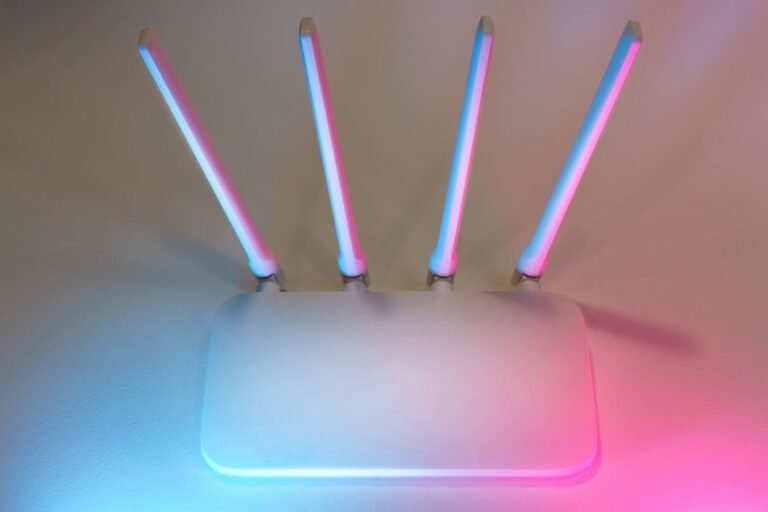
The 0.0.23 Router Setup Tutorial outlines a careful, incremental approach from power-off preparation to stable operation. It emphasizes inspecting the device, removing obstructions, and ensuring a reliable power supply. It guides connecting devices via Ethernet or Wi‑Fi, applying firmware updates, and establishing network segmentation and parental controls. Core settings for throughput and latency are documented with baselines, and changes are measured after each adjustment. The process concludes with structured troubleshooting; the next steps await concrete results and verification.
To prepare the 0.0.23 router for setup, first locate the device and ensure it is powered off.
The procedure specifies setup prerequisites and firmware prerequisites, reducing ambiguity.
Next, confirm the power supply is stable, and keep the unit stationary.
Inspect for visible damage, and remove any obstructive covers as needed.
Documentation remains concise, enabling freedom through predictable configuration steps.
Set up device connections by identifying the router’s available ports and wireless bands, then connect the computer or mobile device via Ethernet or Wi‑Fi.
The procedure uses a setup wizard to initiate configuration, prompts firmware updates when needed, and explains network segmentation for isolated devices.
Parental controls are configured to enforce safe browsing while preserving user freedom.
Configure Core 0.0.23 settings to optimize performance by balancing throughput, latency, and stability. The procedure specifies targeted latency tuning adjustments, aligning queue management, buffer sizing, and CPU affinity to workload profiles. Verify hardware compatibility before applying changes. Document baseline metrics, implement incremental tweaks, and remeasure impact. Maintain conservative defaults for stability while enabling freedom to tune per environment.
Common issues with 0.0.23 often stem from misaligned configurations, hardware compatibility gaps, or overlooked firmware prerequisites.
The guide presents a disciplined checklist: verify cabling integrity, confirm device support, and apply latest firmware cautiously.
Address troubleshooting pitfalls promptly, document error codes, and isolate variables.
Heed firmware caveats, test changes incrementally, and maintain version control to preserve system stability and freedom in operation.
A factory reset without data loss is not possible; the device restores to default settings, erasing user data. Discussion ideas: firmware downgrade, LED troubleshooting; ensure backups exist, verify recovery methods, and document procedures for safe resets and settings reapplication.
“Every cloud has a silver lining.” The answer: VPN compatibility with the 0.0.23 default firmware is limited; it typically supports native VPN only, while third party firmware may expand VPN compatibility but risks warranty and stability.
The LEDs indicating a successful 0.0.23 setup are: power solid, WAN/Internet steady, and LANs active; status blinks briefly. In this idea1 context, idea2 emphasizes clear indicators and secure, freedom-friendly configuration.
Yes, 0.0.23 does not enable mesh compatibility by default; it requires explicit firmware features to support mesh networking. If supported, the router exposes configurations and firmware features enabling multi-node topology and seamless roaming.
Backups are straightforward: implement a scheduled backup strategy, then verify restoration. Backup strategies are essential; periodically export configuration files and firmware states. Restore verification confirms integrity by reloading a sample configuration and validating connectivity across the network.
In preparation, verify power, inspect the device, and remove obstructions; verify cabling, confirm physical condition, and ensure firmware readiness. During setup, connect devices, secure Wi‑Fi, apply updates, and establish segmentation and controls. In configuration, tune throughput, latency, and stability with baselines, then remeasure after each adjustment. In troubleshooting, isolate variables, verify compatibility, and document outcomes. In summary, prepare, connect, configure, verify, and document—prepare, connect, configure, verify, and document—repeat for stable, repeatable results.