
Newsletter Subscribe
Enter your email address below and subscribe to our newsletter

Users seeking 1681.108 login and setup guidance encounter a concise path for account creation and protection. The process emphasizes strong credentials, verified recovery options, and cross-platform access with persistent security. A streamlined setup wizard guides essential choices, while ongoing safeguards…
 BySonu
The 16.0.10:8090 Access Guide outlines how to reach a network service on port 8090, including entry points, required permissions, and typical users. It presents quick-start steps: log in, connect, and verify session integrity. It also covers role setup, minimal privileges,…
BySonu
The 92.168.1.2 address is a four-octet IPv4 identifier used to designate a node on a network. Its validity depends on proper formatting, consistent delimiters, and correct numeric ranges. Attention to leading zeros, canonical representation, and unambiguous notation is essential to…
BySonu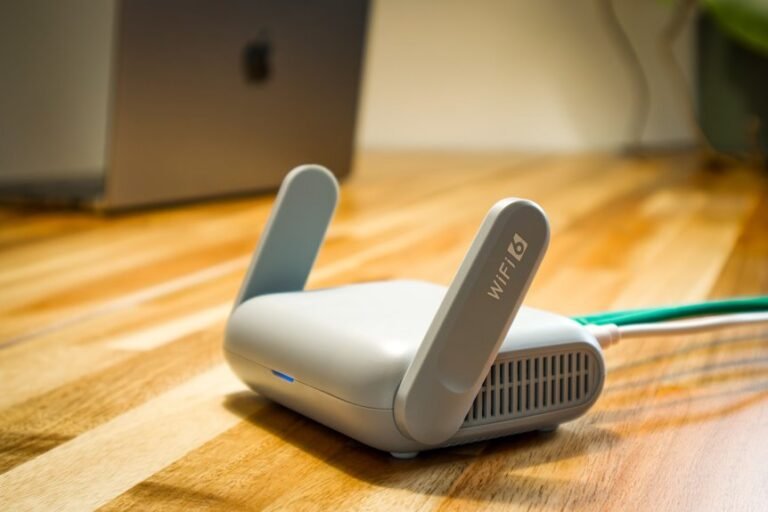
To access the 168.1.213 router admin panel, start by connecting a device to the router’s network and opening a browser to the correct IP address, typically 192.168.1.1 or 192.168.0.1. Log in with the default or owner-provided credentials, then review firmware…
BySonu
The 189.88.35 IP Address Lookup Guide presents a structured approach to understanding this numeric identifier within networks. It emphasizes verification through authoritative registries and public WHOIS data, alongside registry queries for precise attribution. The discussion links provenance, data lineage, and…
BySonu
The entry centers on 192.168.1.1, a common private gateway in home networks. It explains its role in routing traffic through NAT to reach the Internet. Private IP ranges shield internal devices from public exposure. The piece clarifies why 192.168.1.1 is…
BySonu
The discussion on 90.150.204 login issues and solutions centers on credential integrity, session reliability, and auditable access patterns. It emphasizes verifying user credentials, auditing logs, and tracing authentication flows without speculation. Proactive credential management, uptime monitoring, and strict MFA validation…
BySonu
168.0.264 is not a valid IPv4 address. An address requires four octets, each ranging from 0 to 255, separated by dots. The value 264 exceeds the upper bound, violating fundamental routing and subnetting rules. This misconfiguration can lead to dropped…
BySonu
Access to the 168.2.1 router login must be performed on a trusted network and through the administrator URL in a modern browser. Default credentials should be changed promptly, with strong admin passwords and updated firmware as a baseline. If access…
BySonu
Fixing comma format errors requires a disciplined approach across regions. First, identify the locale rule for decimal and thousand separators. Then apply a consistent notation throughout the document. Detect misplaced decimals and inconsistent separators by cross-checking against guidelines. Restructure data…
BySonu