
Newsletter Subscribe
Enter your email address below and subscribe to our newsletter

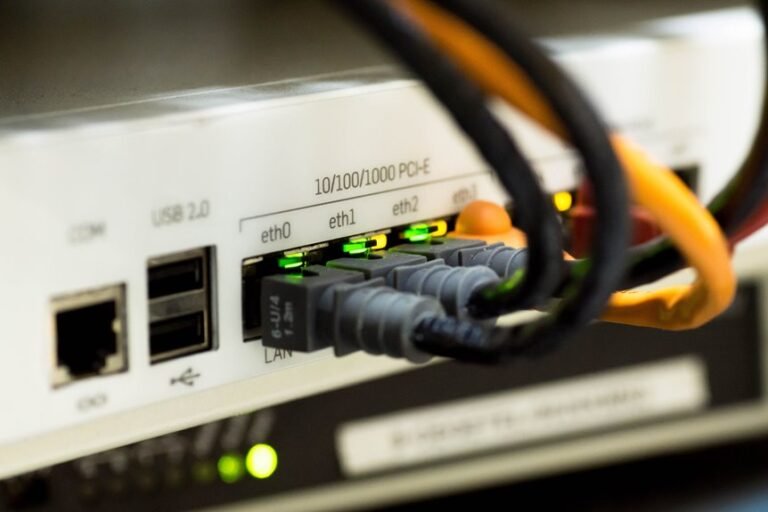
Access to the 168.178.55 router admin portal must be initiated only on trusted networks with a modern browser and standard HTTPS. The configuration plan covers strong WPA3, unique passphrases, disabled WPS, and isolated guest networks, alongside firmware updates and routine…
 BySonu
Access to the 168.1.85 admin interface must be restricted to trusted local URLs and verified addresses. Default credentials are a serious risk and should be replaced with unique, complex passwords that are rotated regularly. Essential admin settings require strict hardening,…
BySonu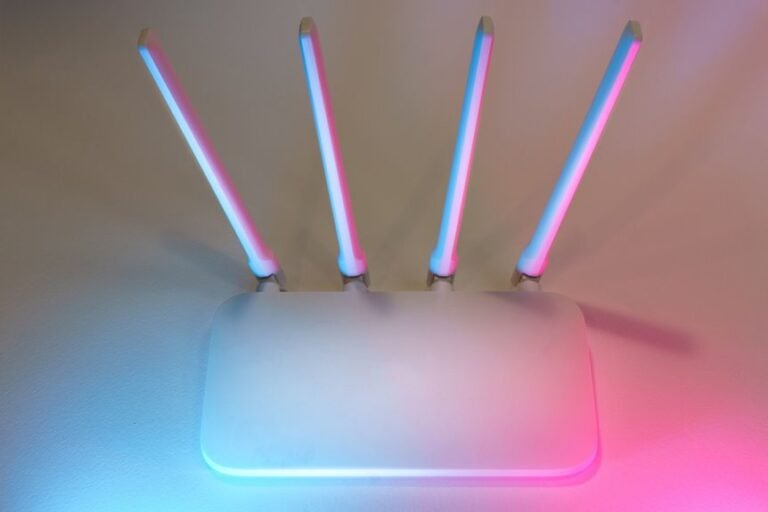
Access to the 168.100.45 router admin page should be approached with caution and discipline. Use a supported protocol, verify the device identity, and employ strong, unique credentials. If access fails, isolate the device from networks and follow official recovery steps.…
BySonu
62.153.200 represents a 32-bit IPv4 address in dotted-decimal form, composed of four octets. Each octet ranges from 0 to 255 and conveys eight bits of the address. The notation allows straightforward parsing for routing, logging, and subnet planning, while highlighting…
BySonu
The 168.18.4 IP Address Setup Guide presents a structured method for assigning this address within a routed network, clarifying identity, scope, and routing relevance. It offers direct IP configuration steps for routers and devices, with precise network settings and documented…
BySonu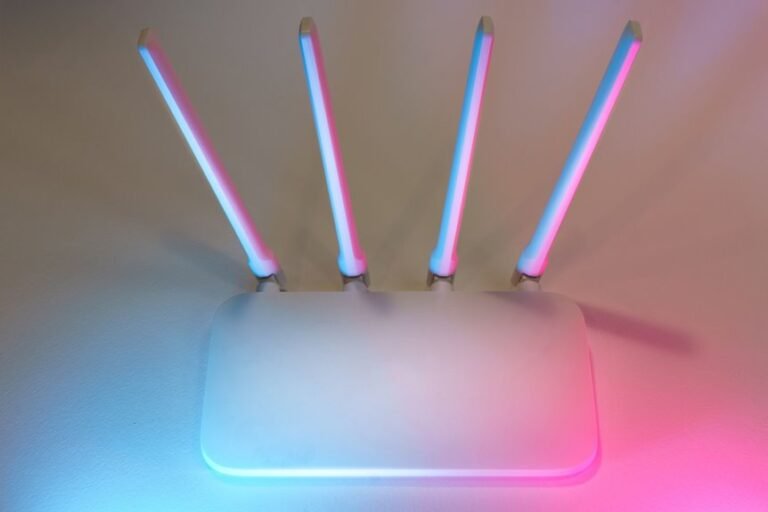
Locating a router’s IP and reaching the login page is a routine task with practical steps. The process hinges on identifying the device’s address from the label or manual and using a secure browser connection. Once access is gained, strong…
BySonu
The 24.1.53 Network Configuration Tutorial presents a structured approach to IP addressing, subnet planning, and routing basics. It emphasizes predictable path behavior, disciplined protocol choices, and scalable boundaries. Security layers are treated as extensions of routing groundwork, with firewall rules…
BySonu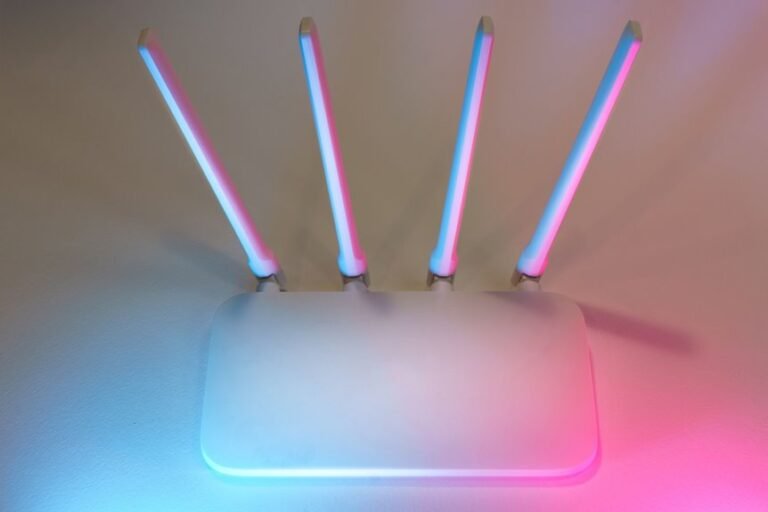
Identifying the 168.220.1 router and its access point is the first step. The user should locate the device, confirm its network name and IP address, then open a browser to reach the login page. Authentication must be strong and unique.…
BySonu
The 168.29 network address sits at the intersection of classic classful concepts and modern CIDR practice. It demonstrates how a 24-bit network can be subdivided without sacrificing routing efficiency. CIDR notation clarifies mask length and subnetwork boundaries, guiding allocation and…
BySonu
128.220.28 serves as a case study for how IP ownership, allocation, and routing can be interpreted through public tools. The discussion focuses on locating the block’s registrar, mapping it to the originating ISP, and validating reachability via traces and WHOIS…
BySonu