
Newsletter Subscribe
Enter your email address below and subscribe to our newsletter


The guide on 90.l50.20 explains how a small IP-like error can disrupt routing and data integrity. It presents a disciplined approach: identify misprints, validate syntax, and document fixes for reproducibility. The method emphasizes step-by-step correction, proper field separation, and normalization…
 BySonu
Correcting the IP Address Format introduces a disciplined normalization approach that converts varied inputs into a single, unambiguous representation. The method emphasizes syntax validation, octet normalization, and subnet boundary correction to achieve deterministic routing decisions. It highlights how formatting mistakes…
BySonu
The 90.250.204 address sits at the crossroads of routing, ownership, and location data. Its geolocation, ASN affiliation, and WHOIS traces offer a composite map of who controls it and where it might appear in networks. Data freshness varies, and discrepancies…
BySonu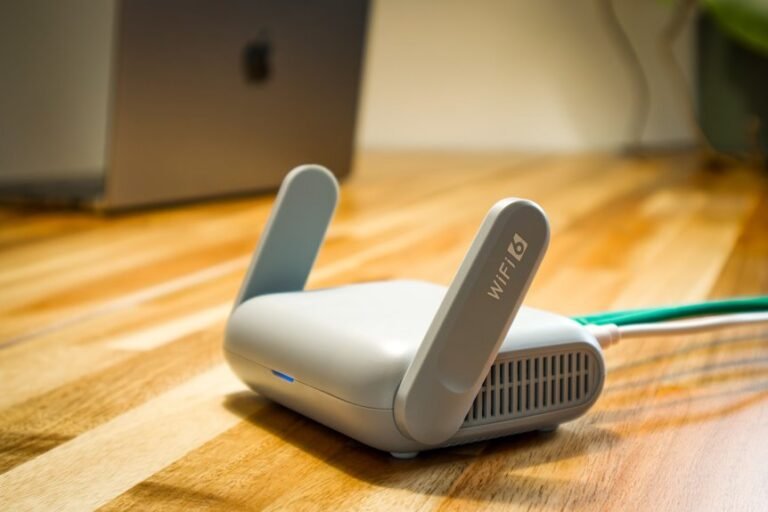
The guide on 168.1.27 router login outlines a precise path from identifying the gateway to securing admin access. It emphasizes verifying the device IP, mapping topology, and locating the login URL. It then outlines secure sign-in practices and initial configuration…
BySonu
16.16.16 is presented as a non-routable private address used within isolated networks and testbeds. It sits within private address space chosen for controlled experiments, topology validation, and reproducible diagnostics. Its role is to support planning, implementation, and governance without affecting…
BySonu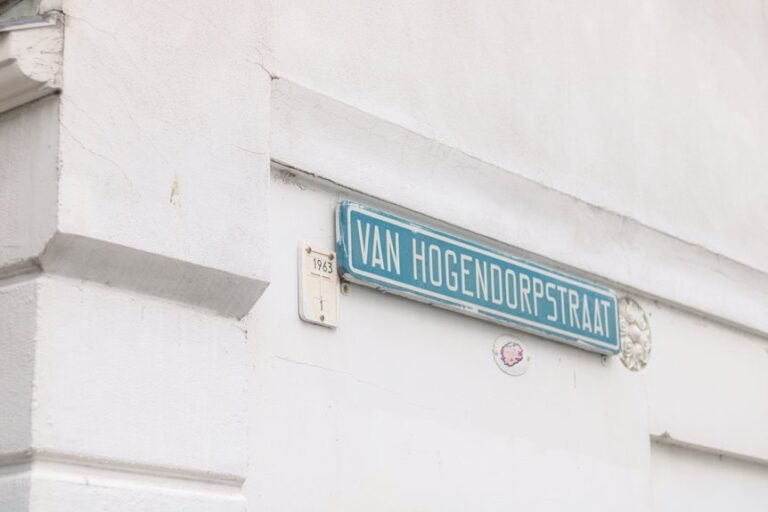
An IP address labeled as 112 can indicate origin signals, regional routing, and potentially vendor allocations, but its location is probabilistic. Initial clues arise from registries, routing data, and latency patterns. Accurate geolocation depends on up-to-date, cross-checked sources and an…
BySonu
Access to the 168.0.5 admin panel should be conducted over HTTPS, using the device’s official IP. Default credentials must be identified and changed to authorized device access only. The guide outlines secure Wi-Fi measures, guest isolation, and strict credential handling…
BySonu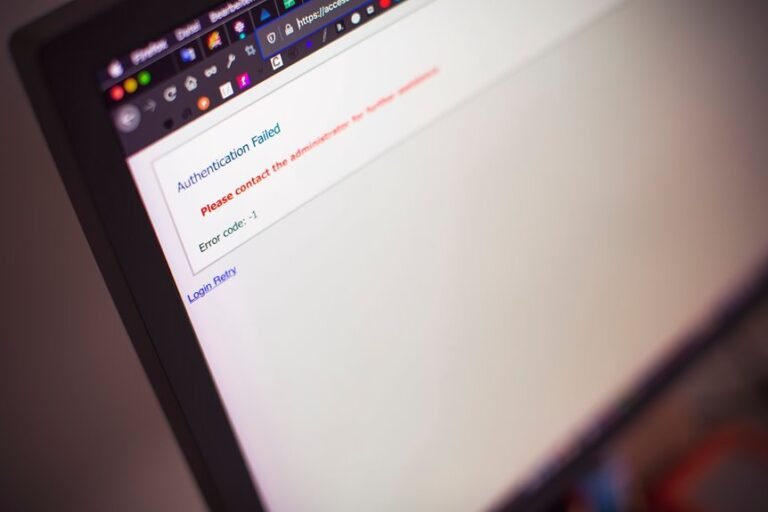
The 1681.64 login error signals an authentication failure at the access point. It points to problems with credential verification or session integrity. Causes include mismatched identity data, expired credentials, invalid tokens, or drift in external integrations. The discussion will explore…
BySonu
Correcting an IP address aligns a device’s identifier with the network’s addressing plan to ensure proper routing. It involves verifying interface status, renewing DHCP leases, and validating subnet masks and gateways. Quick checks address conflicts, misconfigured scopes, and manual entry…
BySonu
Understanding 168.1.158 involves secure access to internal LAN devices and strict network segmentation. It emphasizes trusted connections, TLS/HTTPS, verified firmware, and credential hygiene with MFA where possible. Regular updates and policy-driven controls reduce blast radii while maintaining visibility into isolation.…
BySonu