
Newsletter Subscribe
Enter your email address below and subscribe to our newsletter

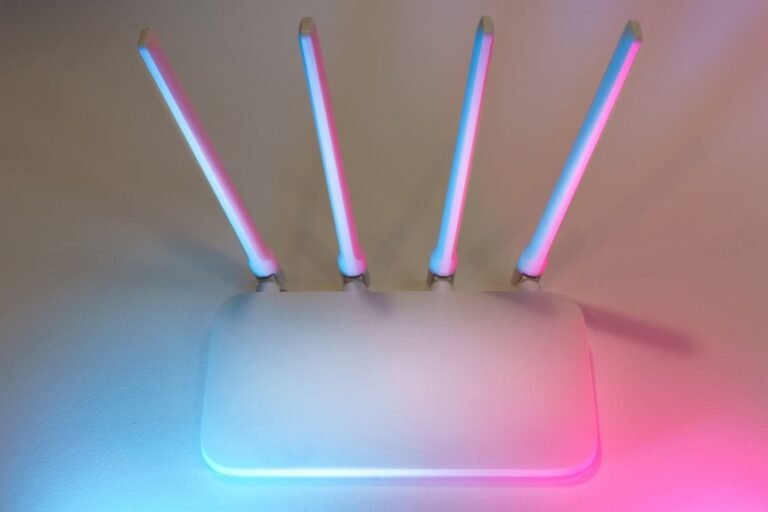
The 168.178.34 Router Access Guide presents a disciplined sequence to reach a router’s admin interface. It emphasizes model-based defaults, credential verification, and disabling unused services while auditing enabled features. A firmware check follows, with updates applied as needed, and all…
 BySonu
Understanding 168.1.110 login and setup begins with identifying the device’s management interface. The process requires confirming the correct IP, authenticating with strong credentials, and applying owner-backed naming. Secure connections, firmware updates, and permission verification are essential steps before accessing configuration…
BySonuIn private networks, 168.0.4 addresses offer a deterministic scheme for internal routing and segmentation. The choice of subnet mask and gateway defines collision domains and internal exit points while aligning with DNS, NAT, and security policies. Reachability should be validated…
BySonu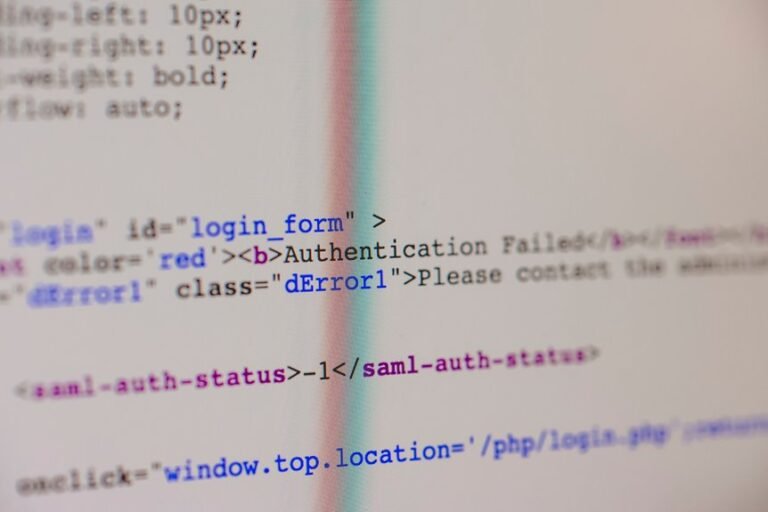
Determining the 168.1.63 router login process begins with identifying the device model and its default IP. A structured approach to locating the gateway, verifying credentials, and completing the initial setup will standardize access. Once login is achieved, the next steps…
BySonu
Common IP address mistakes arise from misconfigurations that ripple through a network. Subnetting slips blur routing boundaries, while improper mask sizing creates overlaps and gaps. Gateways, DNS, and contrasts between private and public spaces often misroute or delay traffic. A…
BySonu
Accessing 168.100.15 is the first step to administering a local network. The page should be reached only from the router’s own network via a secure browser. Defaults must be replaced with strong credentials, and ideally two-factor authentication should be enabled…
BySonu
The 90.180.204 IP address block invites a structured lookup, starting with basic WHOIS to identify allocation and registrant details. A concise path trace and reachability checks establish initial routing and contact points. Tracing ownership via AS history and ISP information…
BySonu
1921681253 presents a question about IP validity. As a decimal string, it lacks the standard dotted-quads format and would be invalid without segmentation. Interpreting it as 192.168.125.3 yields a private IPv4 address, non-routable on the public Internet. The distinction between…
BySonu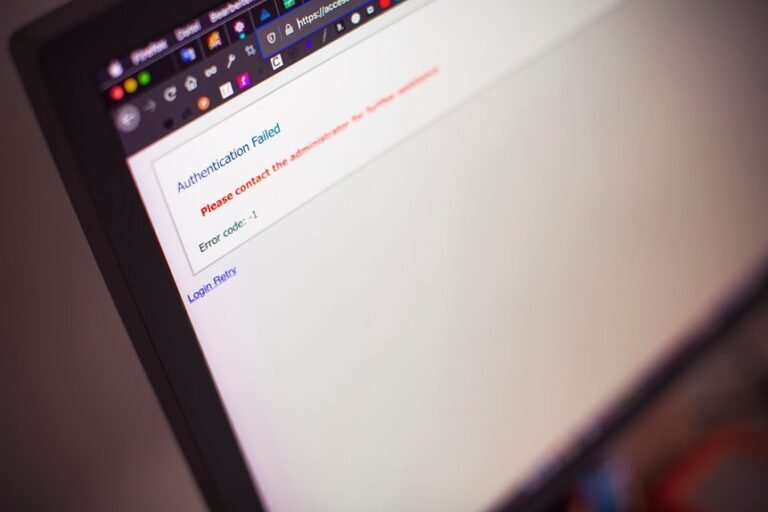
The guide on 168.2.30 focuses on secure login and initial configuration. It lays out credential basics, admin interface navigation, and rapid-access menus with clear, technical language. Network settings, including Wi‑Fi and LAN security, receive structured, repeatable steps. Troubleshooting links symptoms…
BySonu
192168.0.100 is an ill-formed IP representation that can cause misrouting and ambiguity. In private networks, a standard dotted-quad like 192.168.0.100 clarifies its role and avoids conflicts with reserved ranges. Correcting it prompts consideration of subnets, gateways, and masks to ensure…
BySonu